English
 French
 Spanish


As per the FARE (Food Allergy Research & Education) organization’s statistics, 1 in 10 adults and 1 in 13 children in the U.S. can have allergic reactions to food.
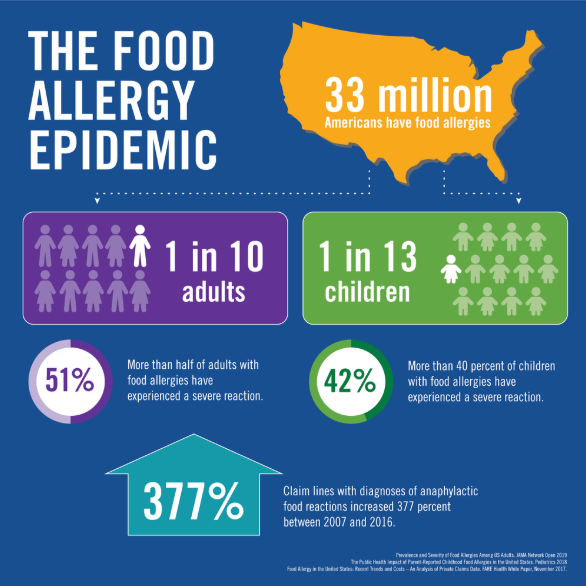
Common allergens such as seafood, dairy, nuts, wheat, soy, and sesame can trigger reactions ranging from mild discomfort to life-threatening anaphylaxis. This public health concern extends beyond individual cases—food allergen mismanagement also has a significant financial and legal impact on businesses.
Allergens are one of the primary causes of food recalls globally. A single recall due to improper labeling or cross-contamination can cost companies between $1.5 million and $10 million per incident, excluding expenses related to crisis management, legal fees, and brand rehabilitation. For food businesses, non-compliance with allergen regulations means risking consumer safety, legal penalties, and severe reputational damage.
Pathways for Allergen Non-Compliance to Occur
Allergen non-compliance can take place due to several factors, including:
- Mislabeled or Misrepresented Ingredients: Failing to disclose allergens in ingredient lists or mislabeling products can lead to recalls and legal consequences.
- Cross-Contamination: Poor manufacturing practices, shared equipment, or inadequate cleaning can lead to the unintentional allergen presence in non-allergenic foods.
- Supply Chain Disruptions: Changes in ingredient sourcing without updating documentation can introduce undisclosed allergens into products.
- Lack of Employee Training: Inadequate staff training on allergen handling, storage, and labeling increases the risk of mistakes.
- Non-Adherence to Regulations: Different countries have specific allergen labeling and food safety laws, making compliance more complex for international businesses.
Consequences That Can Follow Allergen Non-Compliance Incidents
Failure to follow allergen regulations can result in severe consequences, including:
⇒ Financial Penalties & Legal Action
Food businesses that fail to comply with allergen regulations can face significant financial penalties and legal repercussions. Regulatory authorities impose heavy fines on companies that mislabel or fail to disclose allergens in their products. In addition, businesses may face lawsuits and compensation claims from affected consumers, especially if an allergic reaction leads to serious health issues. Legal battles can be costly, time-consuming, and damaging to a company’s operations and reputation.
⇒ Product Recalls & Supply Chain Disruptions
Failure to manage allergens properly can lead to large-scale product recalls, which can be financially devastating. Recalls not only require businesses to pull affected products from shelves, but they also disrupt supply chains, cause production halts, and lead to significant losses. Additionally, the logistics of managing a recall—such as notifying customers, handling returns, and destroying unsafe products—add further operational and financial burdens.
⇒ Reputational Damage
Beyond financial losses, allergen non-compliance can severely damage a company’s reputation. Consumers expect transparency and safety when purchasing food products, and any failure to meet these expectations can lead to a loss of trust. Negative publicity, consumer backlash, and social media criticism can result in declining sales and long-term harm to brand credibility. Rebuilding consumer confidence after an allergen-related incident is a challenging and prolonged process.
⇒ Serious Health Risks & Consumer Safety Issues
The most critical consequence of allergen non-compliance is the risk it poses to consumer health and safety. Undeclared allergens in food products can cause severe allergic reactions, including anaphylaxis, which can be life-threatening. In extreme cases, allergen-related incidents can result in hospitalization or fatalities. Protecting consumers from these dangers is a legal and ethical responsibility for food businesses, emphasizing the need for stringent allergen management practices.
Implementing a Well-Rounded Allergen Management Program
To ensure compliance with allergen regulations and protect consumer safety, food businesses should implement a comprehensive allergen management program that includes the following key steps:
I. Accurate Labeling & Transparent Communication
Ensure all product labels clearly disclose allergen content, following country-specific regulations. Provide accurate ingredient information to consumers and supply chain partners.
II. Supplier Verification & Ingredient Tracking
Work closely with suppliers to verify ingredient compositions, ensuring allergens are properly identified and monitored throughout the supply chain.
III. Allergen Segregation & Cross-Contact Prevention
Implement Good Manufacturing Practices (GMP), use dedicated equipment for allergen-free production, and maintain strict sanitation protocols to prevent cross-contact.
IV. Quality Assurance & Compliance Audits
Regularly conduct internal and third-party audits to identify and address potential allergen risks before they become compliance issues.
V. Comprehensive Employee Training Programs
Educate employees on allergen safety, labeling laws, and proper handling procedures to minimize the risk of errors.
A Targeted Ingredient Management Approach With Smart Specification for Optimal Allergen Compliance
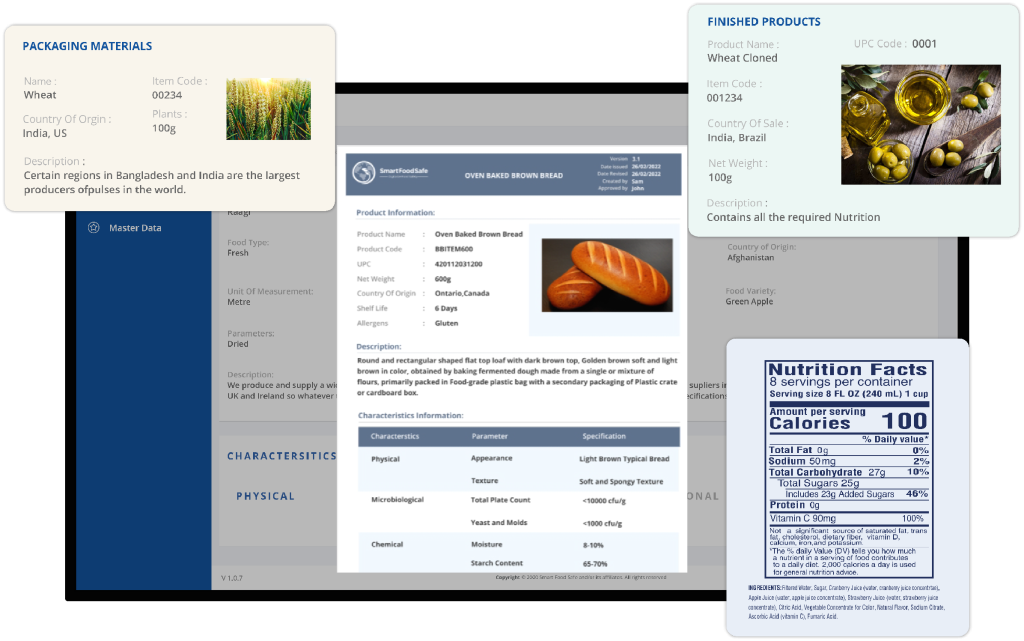
Food businesses can streamline allergen compliance and reduce risks using Smart Specification, a tech-enabled software solution for ingredient lifecycle management. Smart Specification can ensure comprehensive allergen control by offering:
- Complete Material Specification Management: Food businesses can digitally define, design, and track specifications for raw materials, packaging, and finished products, ensuring that allergen-related information is documented and updated.
- Automated Supplier & Ingredient Verification: Smart Spec enables businesses to link supplier specifications with internal allergen control measures, reducing the risk of mislabeling or undisclosed allergens.
- Built-in Global Allergen List: Smart Spec integrates a continuously updated digital repository of country-specific allergen regulations, making it easier to stay compliant across multiple regions.
- Bill of Materials Configuration: The platform systematically tracks ingredient composition, ensuring all allergens are identified, with tolerances and cross-contamination risks minimized.
- Workflow Configuration for Compliance Checks: Businesses can set up automated review and approval workflows to ensure allergen compliance before products reach the market.
- Pre-Built Allergen Monitoring & Compliance Dashboards: Businesses can track allergen-related data, review compliance trends, and detect inconsistencies in real time.
As allergen regulations continue to evolve, food businesses must adopt data-driven solutions to stay ahead. Smart Specification provides a smarter, more efficient way to manage allergen compliance, reducing financial risks, protecting brand reputation, and ensuring consumer safety.
By implementing a structured allergen management system with Smart Spec, businesses can proactively prevent non-compliance, minimize costly recalls, and maintain consumer trust in an increasingly allergen-conscious market.